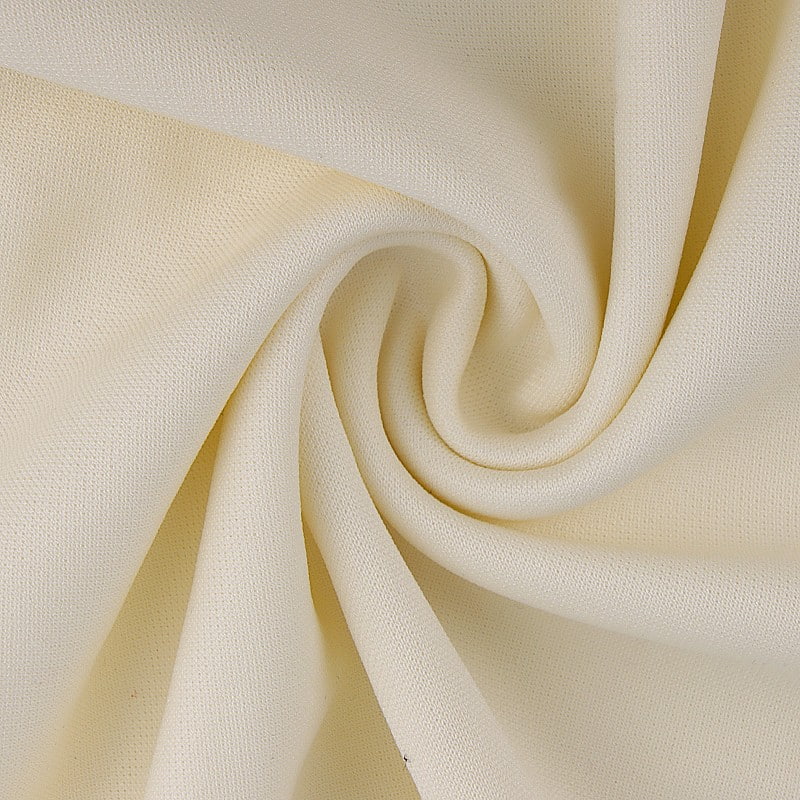
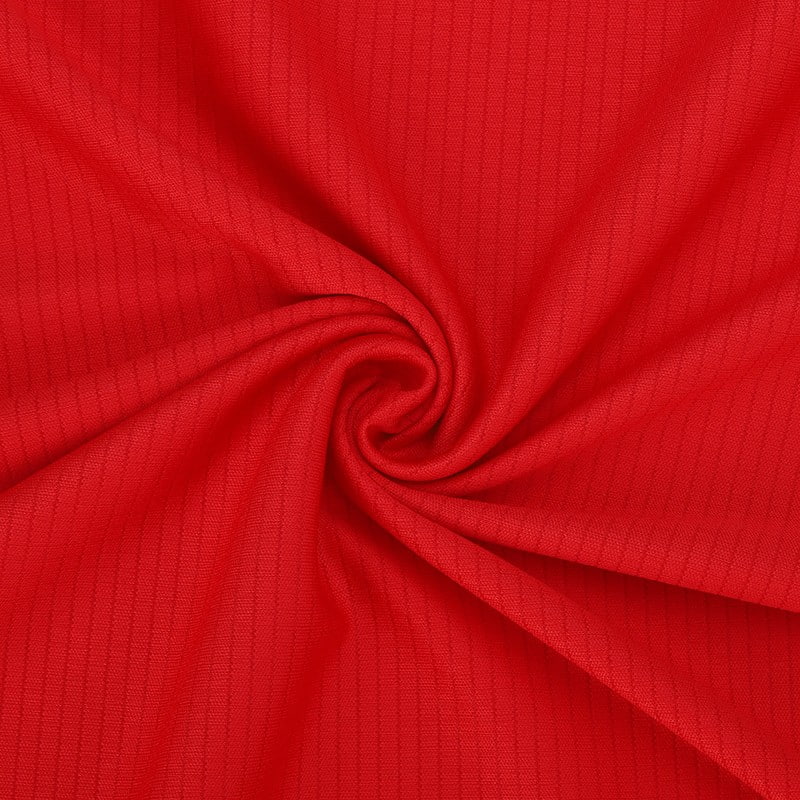
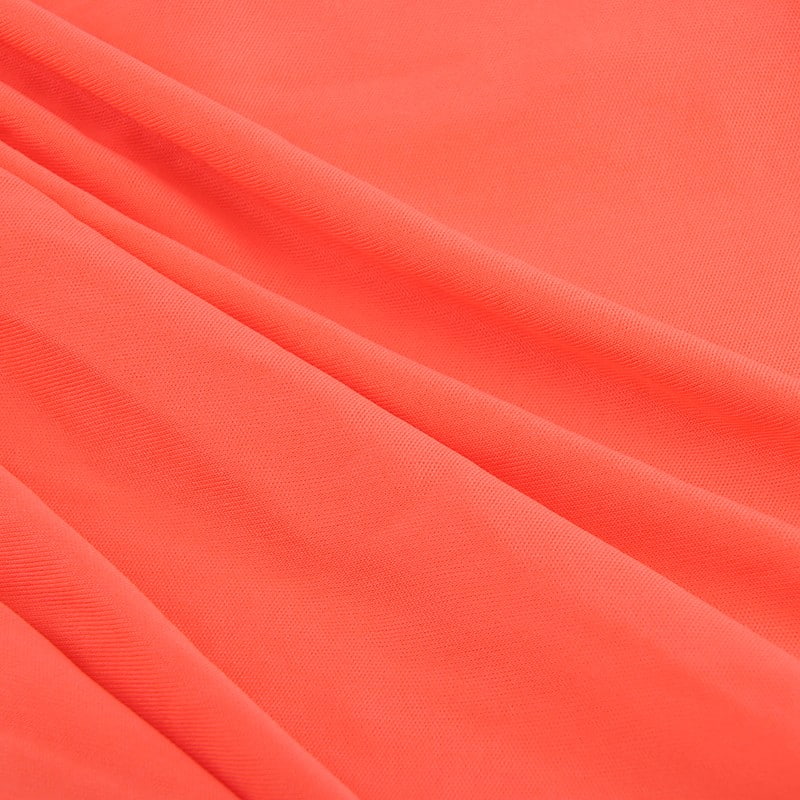
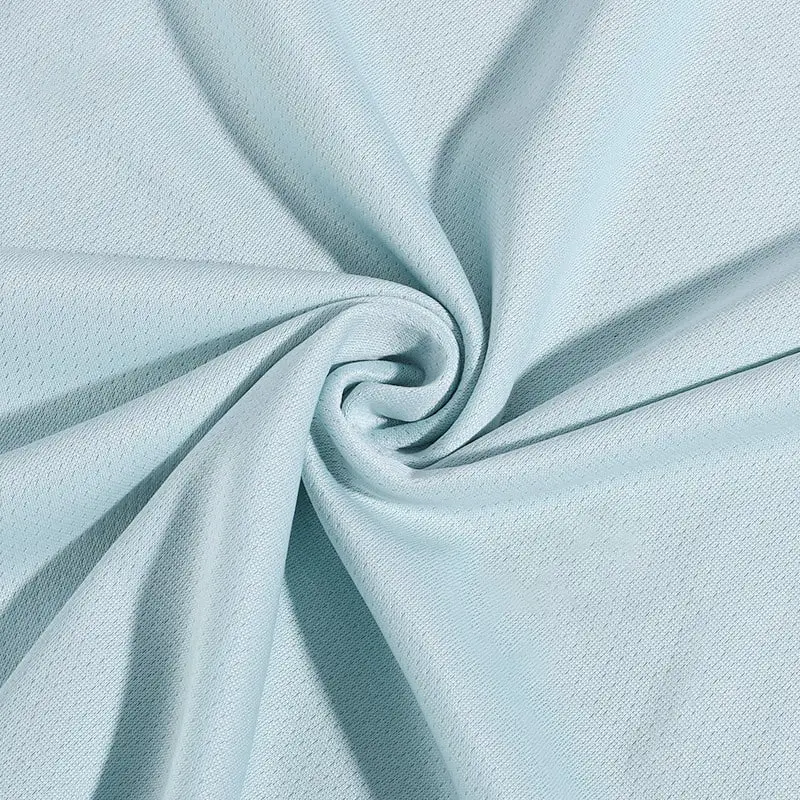
Polyester mesh fabric is a lightweight, breathable, and durable woven or knitted textile made from polyester fibers, characterized by an open-grid structure with uniform holes or pores. It is widely used across industries such as apparel, filtration, agriculture, construction, and industrial screening because of its combination of high tensile strength, chemical resistance, UV stability, and cost-effectiveness. There are three primary types — woven mesh, knitted mesh, and warp-knit mesh — each suited to different performance requirements. Mesh count, hole size, weight (measured in GSM), and coating type are the four key specifications buyers should evaluate before purchasing. The sections below break down each of these dimensions in detail, supported by practical data and comparison references.
Polyester mesh fabric is produced by weaving or knitting polyester yarns into a grid-like structure that leaves regular gaps between the threads. Unlike solid polyester fabrics, mesh fabric is engineered specifically for airflow, filtration, and lightweight strength. The base material, polyethylene terephthalate (PET), gives the fabric excellent resistance to moisture, mildew, and most chemicals, while remaining significantly lighter than metal or natural fiber alternatives such as cotton or hemp mesh.
The manufacturing process typically involves extruding polyester filament yarn, followed by weaving on a loom or knitting on a circular or warp-knitting machine. The resulting fabric can achieve mesh counts ranging from as coarse as 5 holes per inch to as fine as 400 mesh, depending on the intended application — from agricultural shade netting to precision filtration screens.
Polyester mesh fabric is generally classified according to its production method and structural pattern. Understanding these categories helps buyers match the right fabric type to their specific end use.
Woven mesh is created by interlacing warp and weft yarns at right angles on a loom. This type offers high dimensional stability and precise, uniform hole sizes, making it the preferred choice for filtration, sieving, and screen-printing applications where consistency is critical.
Knitted mesh is formed by looping yarns together, which gives the fabric greater elasticity and stretch recovery compared to woven mesh. It is commonly used in sportswear, lining fabrics, and packaging bags where flexibility and comfort are prioritized over rigid structure.
Warp-knit mesh combines some of the stability of woven fabric with the softness of knitted fabric. It resists runs and unraveling better than weft-knit mesh, which makes it suitable for shoe uppers, bags, and technical apparel linings.
This type is produced by extruding molten polyester through a die to form a continuous net pattern without weaving or knitting. It is typically used for heavy-duty outdoor applications such as construction safety netting and agricultural windbreaks due to its rigidity and resistance to fraying.
Polyester mesh fabric's popularity across industries stems from a specific combination of physical properties. Below are the core characteristics that define its performance profile.
Because of its versatile properties, polyester mesh fabric is used in a wide range of industrial and consumer sectors. The following list highlights the most common application areas.
Polyester mesh is a staple material in athletic wear, providing ventilation panels in jerseys, running shoes, and gym bags. Its moisture-wicking capability, when combined with breathable structure, helps regulate body temperature during physical activity.
Fine-mesh polyester fabric, often ranging from 100 to 400 mesh count, is used in industrial filtration systems to separate solids from liquids or gases, including in food processing, pharmaceuticals, and wastewater treatment.
Shade netting and insect-proof mesh made from polyester help farmers control sunlight exposure, reduce pest infestation, and protect crops from hail or frost, extending growing seasons in various climates.
Heavy-duty polyester mesh netting is commonly installed on scaffolding and building exteriors to prevent falling debris, contain dust, and improve site safety compliance.
Mesh bags made from polyester are widely used for packaging produce, seafood, and household items, offering visibility of contents while allowing ventilation to reduce spoilage.
Polyester mesh is used in seat backs, headrests, and upholstery linings for its breathability and ability to maintain shape under repeated pressure and stretching.
When selecting a mesh fabric, it is useful to compare polyester against other common materials such as nylon and cotton mesh. The table below summarizes the key differences.
| Property | Polyester Mesh | Nylon Mesh | Cotton Mesh |
|---|---|---|---|
| UV Resistance | High | Moderate | Low |
| Moisture Absorption | Very Low | Low | High |
| Elasticity | Low to Moderate | High | Low |
| Cost | Low to Moderate | Moderate to High | Low |
| Typical Use Case | Filtration, apparel, agriculture | Sportswear, hosiery, bags | Light garments, crafts |
Polyester generally offers the best overall balance of durability, UV resistance, and cost for most industrial and outdoor applications, while nylon is preferred where higher elasticity is required, and cotton remains limited to low-durability indoor uses.
Selecting the correct polyester mesh fabric depends on matching several technical specifications to your application requirements. Consider the following factors during procurement.
Polyester mesh fabric stands out as one of the most versatile and cost-effective mesh materials available today, offering a strong combination of durability, breathability, and chemical resistance. Whether the application calls for fine filtration screens, breathable sportswear panels, or heavy-duty construction safety netting, understanding the specific type, mesh count, and weight requirements is essential to selecting the right product. By evaluating these technical factors alongside the comparison data provided, buyers and manufacturers can make more informed sourcing decisions that align with both performance needs and budget constraints.
Polyester mesh fabric has grown from a functional specialty material into one of the most widely used textiles in modern apparel and technical production. Its...
READ MOREMay 27, 2026 – Global — The polyester mesh fabric industry is witnessing robust global growth in 2026, fueled by surging demand across sportswear, industrial m...
READ MOREMaterial Science Guide Polyester Mesh Fabric From athletic wear to industrial filtration, from screen printing to architectural facades — one fabric serves m...
READ MOREMill Notes - Performance Knits Polyester Sports Fabric A working guide to knit structures, weights and finishes, written from the knitting floor rather than th...
READ MORE Ready To Customise
 100% Polyester Knitted Bird Eye Fabric: A Technical Guide to Breathable Knits
100% Polyester Fabric Explained: A Manufacturer's Guide to Performance Knits

Telephone: +86-18268669232

Email: [email protected]

Company Address
Linxi Village, Xiaolin Town, Cixi City

 English
 عربى
عربى 中文
中文