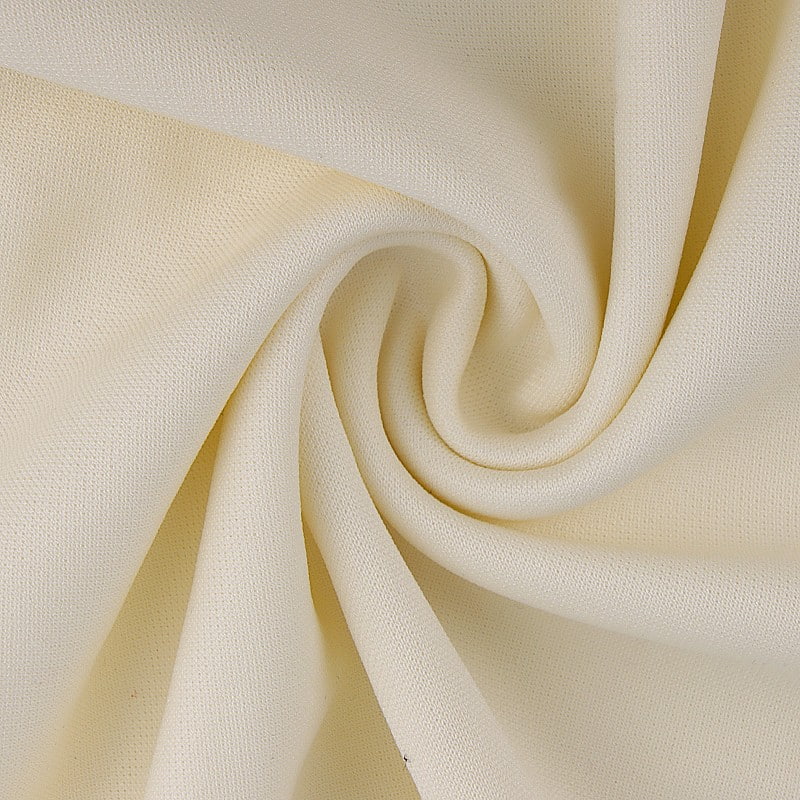
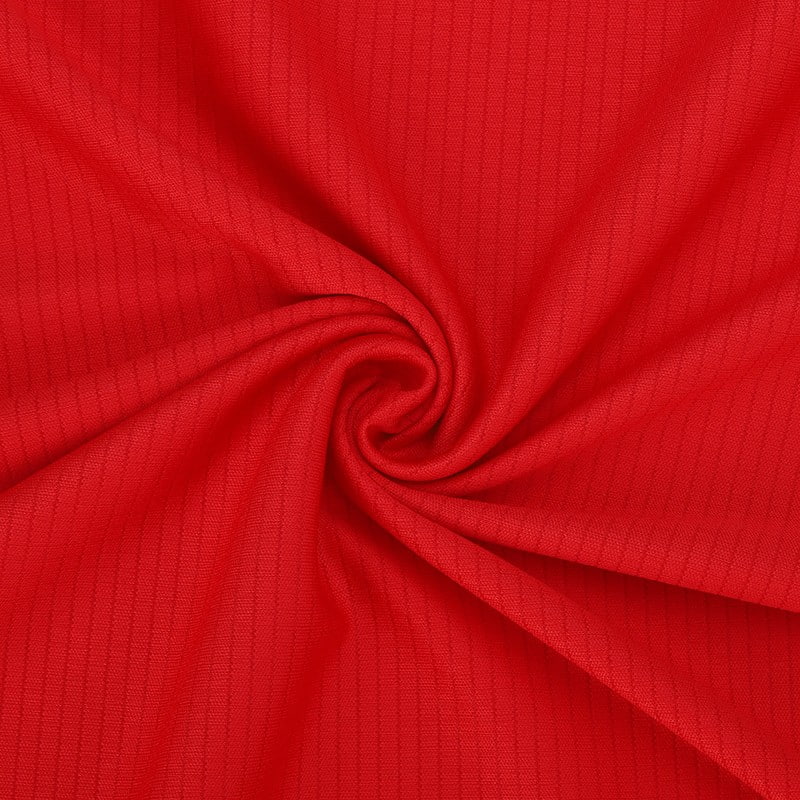
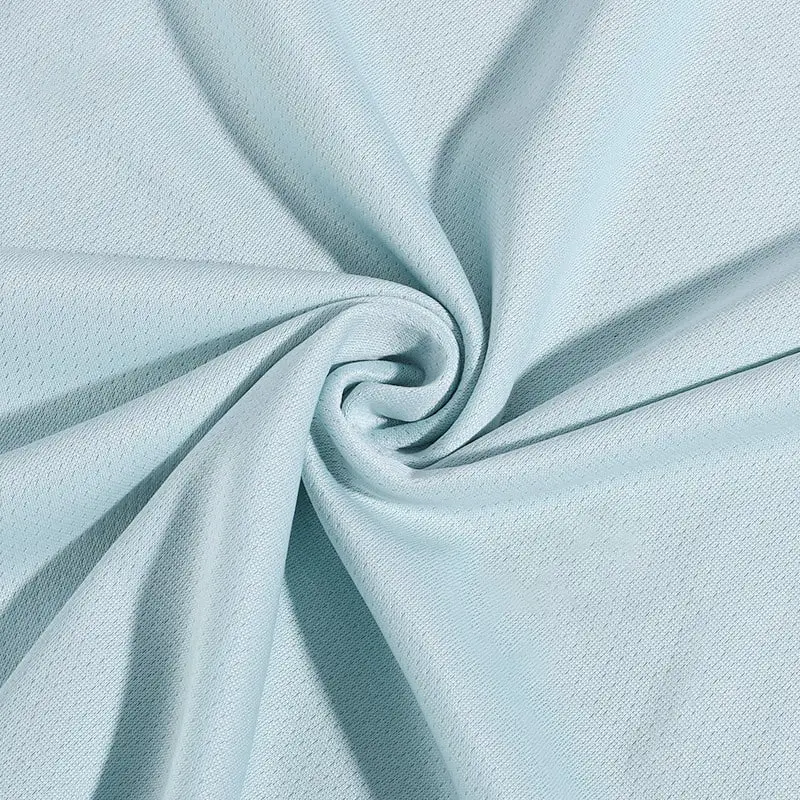
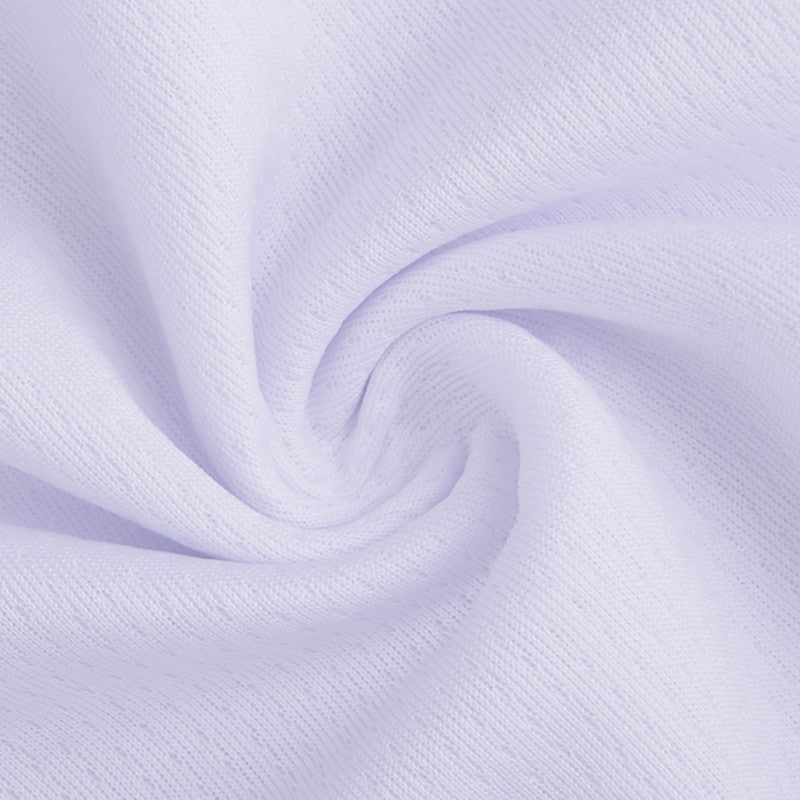
In the deep logic of the apparel fabric supply chain, polyester lining fabric is not merely a layer of covering inside a garment; it is the structural key that determines the quality grade, service life, and market reputation of finished products. As a manufacturer deeply rooted in the weaving and finishing of linings, we face core questions from global buyers every day: What is polyester lining in real production standards? What is the best fabric to use for lining to balance cost and performance? Is 100% polyester lining okay enough to meet the demanding requirements of end consumers? These questions go directly to the heart of material selection, weaving technology, and finishing processes. Based on production data from millions of meters per year and laboratory test results, this report dissects the full performance spectrum of polyester lining versus cotton lining from dimensions such as fiber physical properties, thermal-humidity comfort, seasonal adaptability, and blend synergy, providing quantified decision-making evidence for professional sourcing and product development.
By grafting hydrophilic auxiliaries onto the hydrophobic polyester lining surface, the capillary effect is created, raising the wicking height to ≥120mm/30min. This greatly reduces the sticky feeling during summer wear and directly addresses the consumer pain point behind Should you avoid polyester in summer.
Incorporating conductive fibers or applying antistatic agents reduces the surface resistivity of 100% polyester lining to below 10⁹ Ω, effectively eliminating static adhesion and discomfort in dry environments – a key remedy for What are the disadvantages of 100% polyester.
Using silver-ion or zinc-ion antimicrobial technology, we inhibit common bacteria such as Staphylococcus aureus. This maintains the high strength of polyester while adding hygiene and safety, particularly suitable for underwear and activewear linings.
In the industrial context, there is no absolute “best”; only “most suitable.” Polyester lining fabric dominates in suits, luggage, and outdoor gear due to its high strength, abrasion resistance, and shape retention, while cotton lining is preferred in high-end casual shirts and infant clothing. For manufacturers, Is 80% cotton and 20% polyester a good blend often proves to be the optimal compromise – it balances the natural touch of cotton with the body of synthetics, keeping shrinkage within 2% and elevating wrinkle resistance to grade 3.5.
100% polyester lining is irreplaceable in mass production. Its dye uptake reaches 98% with a color difference ΔE ≤ 0.8, ideal for standardized large-batch manufacturing. However, for summer skin-contact garments, it must be combined with moisture-wicking finishing. Unmodified regular polyester at 38°C and 80% relative humidity can raise the skin microclimate humidity above 90%, significantly increasing heat stress risk. Thus, the answer depends on end-use: autumn/winter outerwear can confidently use 100% polyester lining, while summer activewear requires careful evaluation.
From a life-cycle cost (LCC) perspective: 100% cotton has superior initial skin-feel, but after 20 washes its strength drops by ~25% with notable shrinkage and deformation; 100% polyester retains over 95% of its strength after 50 washes. In terms of supply chain stability, polyester prices are less volatile than cotton and unaffected by crop yields. Therefore, when What is better, 100% cotton or polyester is asked in bulk procurement contexts, polyester wins on stability and cost-effectiveness.
Skin surface pH is weakly acidic (~5.5). Cotton fibers are naturally skin-friendly and non-irritating, with a friction coefficient of only 0.2–0.3, far lower than polyester’s 0.5–0.6. Dermatological tests show that wearing polyester next to skin for 8 hours increases transepidermal water loss (TEWL) by ~30%, while cotton increases it by only 8%. Hence, Which is better for skin, polyester or cotton clearly favors cotton, unless polyester has undergone super-cotton or bio-based modification.
Outperforms pure cotton (5–6%) and approaches pure polyester levels, ensuring consistent garment dimensions in bulk production.
40% higher than pure cotton, keeping garments crisp after daytime wear without frequent ironing.
Meets premium grade standards of national norms, maintaining structural integrity after repeated machine washing.
Preserves most of cotton’s breathability advantage, ensuring comfortable summer wear.
Industrial conclusion: When the debate of What is better, 100% cotton or polyester reaches a stalemate, the 80% cotton and 20% polyester blend offers a Pareto-optimal solution. It not only resolves the poor skin-feel of pure polyester but also compensates for the deformation and maintenance difficulties of pure cotton, making it the most competitive lining option for mid-to-high-end apparel.
Full series of polyester filaments from 50D/72F to 300D/144F, available in plain, twill, satin, and jacquard weaves, meeting diverse lining needs from lightweight summer wear to heavy winter garments.
High-temperature high-pressure jet dyeing plus stenter finishing, with color difference ΔE controlled within 0.5, lightfastness ≥4.5, satisfying stringent European and American market requirements.
Flame retardant (B1 level), water repellent, oil repellent, UV protection (UPF 50+) and more can be layered onto polyester lining, adding far more than conventional value.
| Weight range | 45 g/m² – 280 g/m² |
| Width range | 145 cm – 280 cm (selvedge/frayed) |
| Colorfastness to washing | ≥ 4.0 (AATCC 61) |
| Rubbing fastness (dry/wet) | ≥ 4.0 / ≥ 3.5 |
| Shrinkage (warp/weft) | ≤ ± 1.5% |
The cross-sectional shape of polyester fibers plays a critical role in moisture transport. Standard round-cross-section polyester offers limited capillary channels, while profiled (e.g., trilobal, cross, or hollow) fibers significantly increase specific surface area, enhancing wicking and quick-dry capabilities. Our manufacturing line can produce various profiled polyester lining yarns to tailor the balance between hand feel and moisture management, directly addressing the core of What is the best fabric to use for lining for different climatic zones.
In contrast, cotton fibers possess a natural convoluted structure and a porous lumen, providing excellent inherent moisture absorption but slower evaporation. By blending with profiled polyester, the composite fabric achieves a synergistic effect – the cotton captures moisture, while the polyester channels and releases it quickly. This is why Is 80% cotton and 20% polyester a good blend is repeatedly confirmed by our in-house sweating guarded hotplate tests (ISO 11092), where the blend shows thermal resistance (Rct) and water vapor resistance (Ret) values that are 20% better than pure cotton in dynamic wear simulations.
The 80/20 blend delivers the optimal compromise – retaining 85% of polyester’s durability while achieving 82% of cotton’s comfort, making it the top recommendation for What is the best fabric to use for lining when both performance and wearability are required.
Polyester lining fabric exhibits excellent dye affinity with disperse dyes, achieving bright shades and high levelness. Its thermoplastic nature enables heat-setting to lock in dimensional stability, which is critical for garments that undergo dry-cleaning. Moreover, polyester can be easily printed with sublimation or pigment inks, offering unlimited design possibilities. In contrast, cotton lining requires reactive or vat dyes, which involve higher water and energy consumption. From a manufacturing efficiency standpoint, polyester allows shorter processing cycles and lower defect rates, directly impacting cost and delivery reliability – a decisive factor when answering Is 100% polyester lining okay for bulk orders.
Additionally, our factory offers eco-friendly recycled polyester from post-consumer PET bottles, meeting global sustainability trends without sacrificing mechanical performance. This recycled polyester lining has the same strength, dyeability, and finishing versatility as virgin fiber, providing a future-proof solution that resonates with brand owners who are increasingly concerned about circularity.
Polyester mesh fabric has grown from a functional specialty material into one of the most widely used textiles in modern apparel and technical production. Its...
READ MOREMay 27, 2026 – Global — The polyester mesh fabric industry is witnessing robust global growth in 2026, fueled by surging demand across sportswear, industrial m...
READ MOREMill Notes - Performance Knits Polyester Sports Fabric A working guide to knit structures, weights and finishes, written from the knitting floor rather than th...
READ MOREA Derun Editorial — Fabric Engineering 100% Polyester Fabric: A Study in Structure It shapes a running shoe’s upper, lines a structured jacket, and lifts a go...
READ MORE Ready To Customise
 100% Polyester Knitted Bird Eye Fabric: A Technical Guide to Breathable Knits
100% Polyester Fabric Explained: A Manufacturer's Guide to Performance Knits

Telephone: +86-18268669232

Email: [email protected]

Company Address
Linxi Village, Xiaolin Town, Cixi City

 English
 عربى
عربى 中文
中文