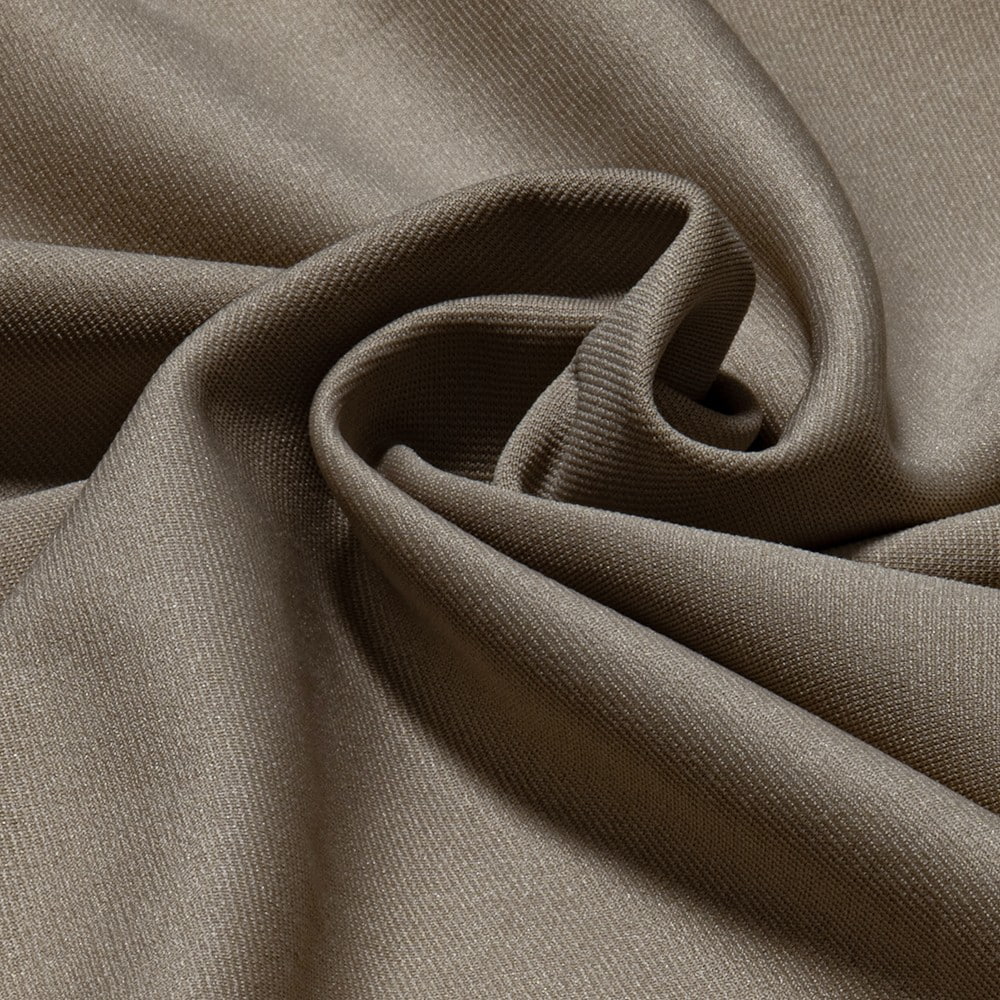
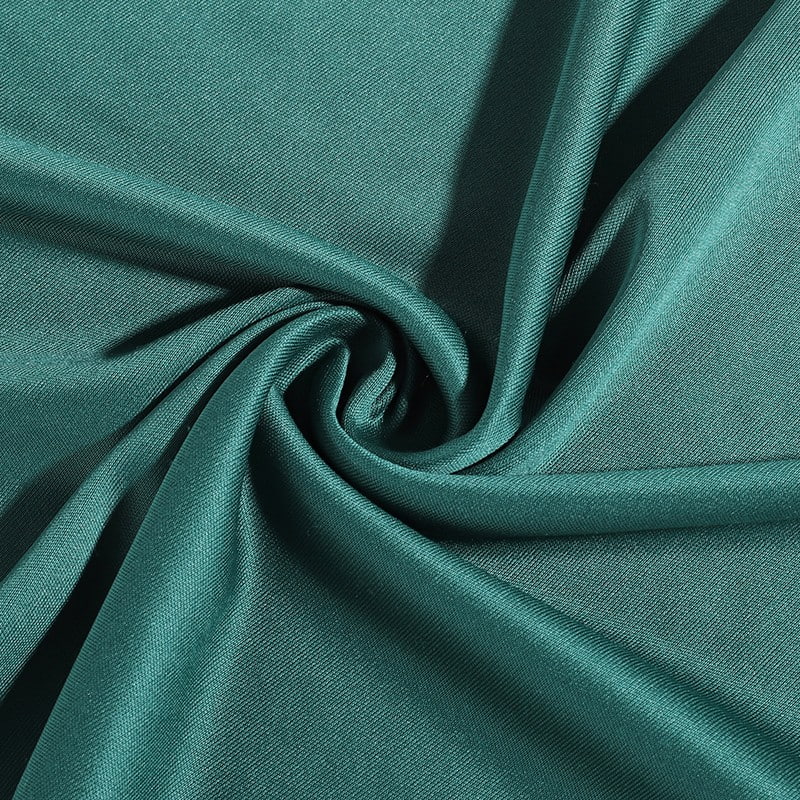
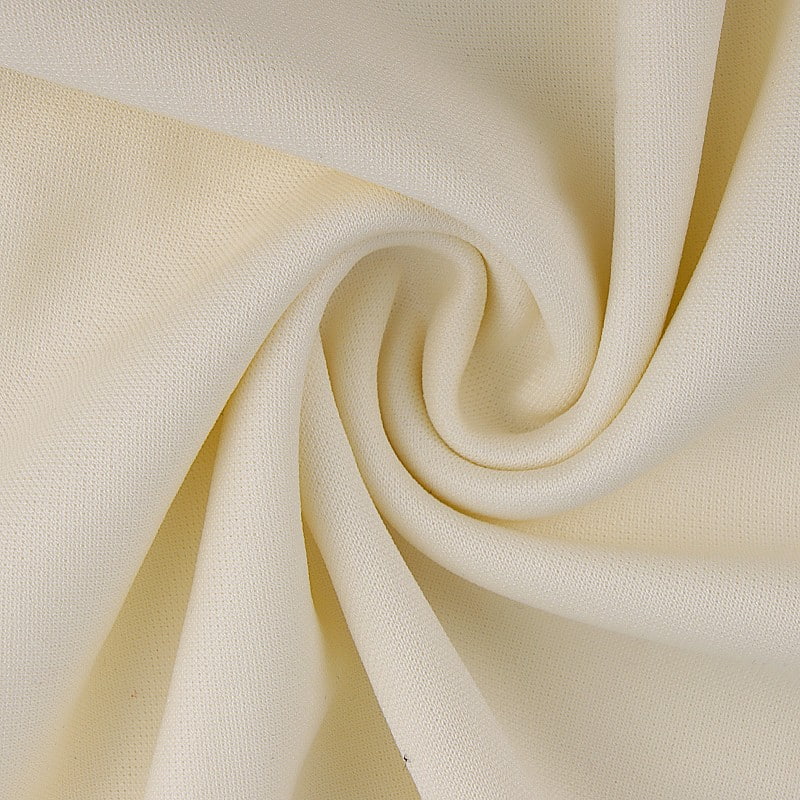
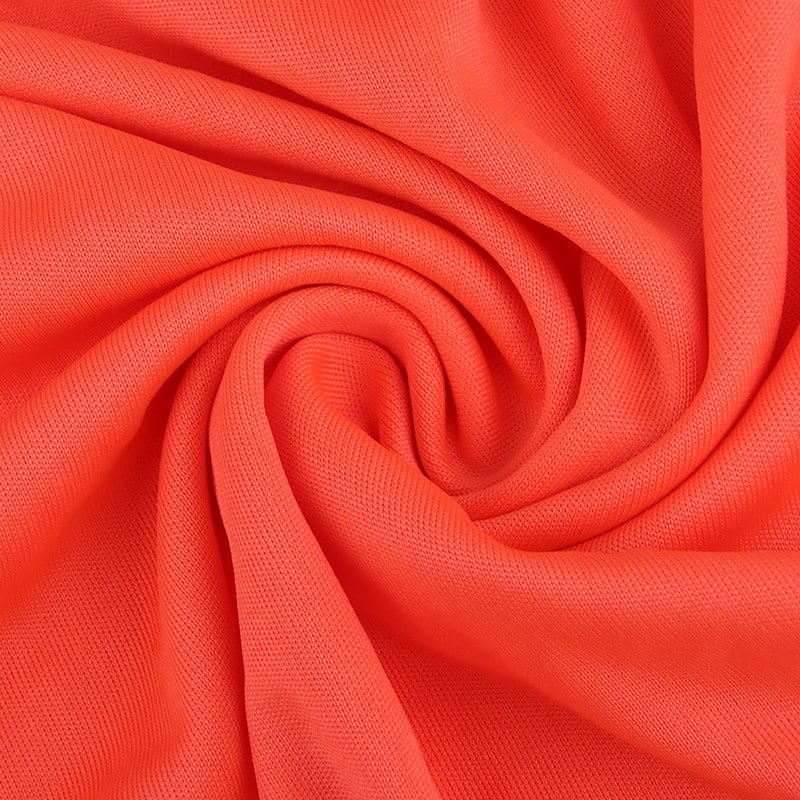
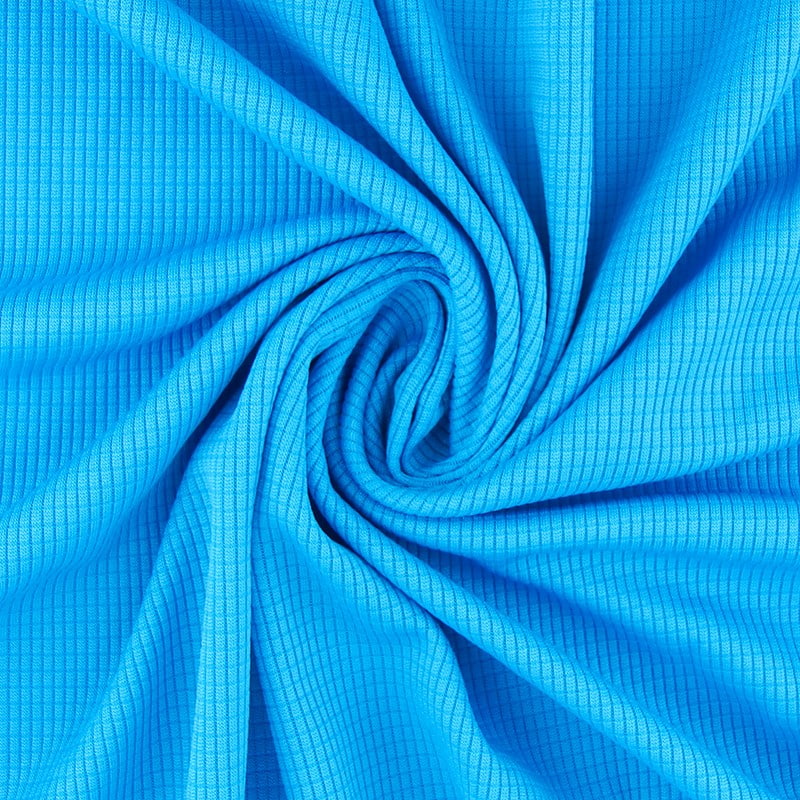
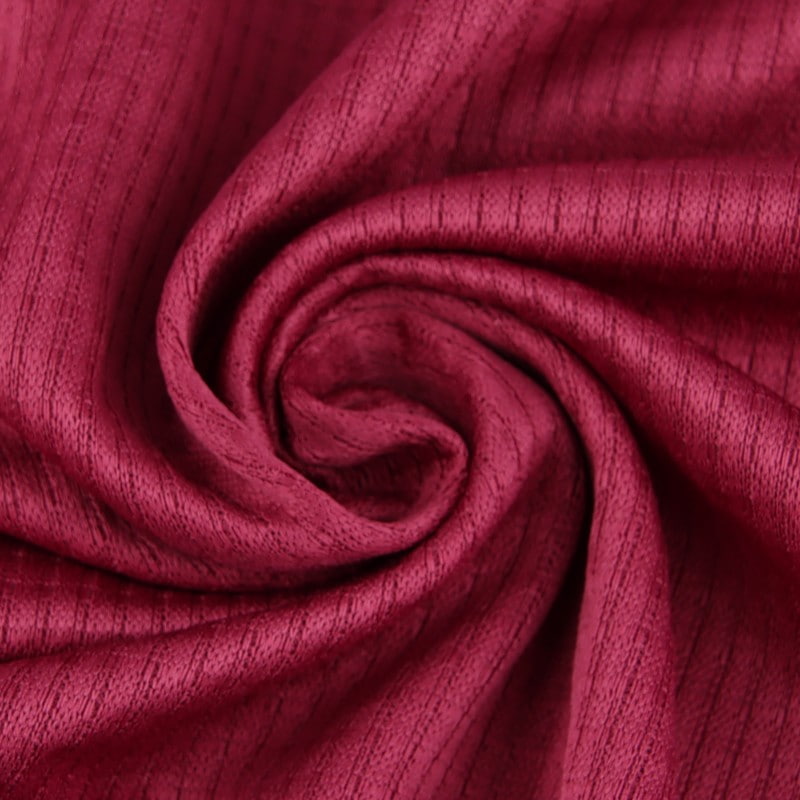
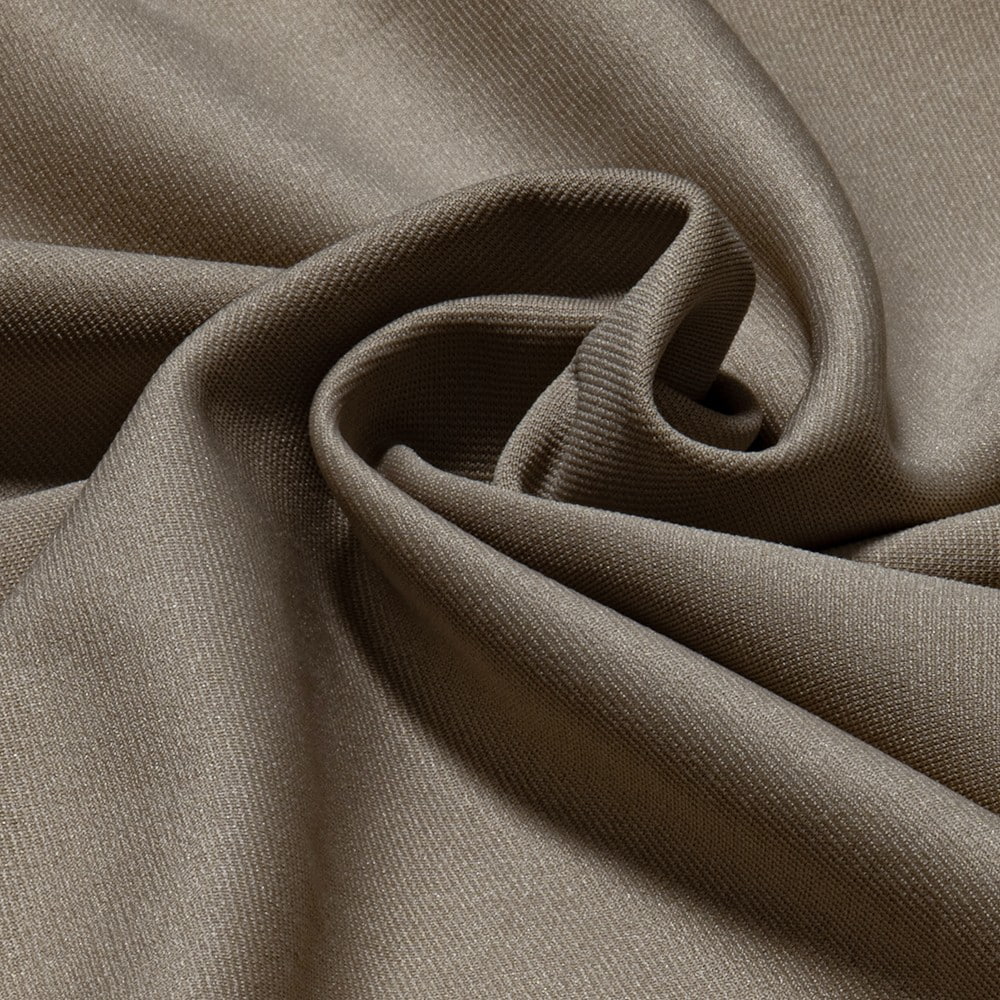
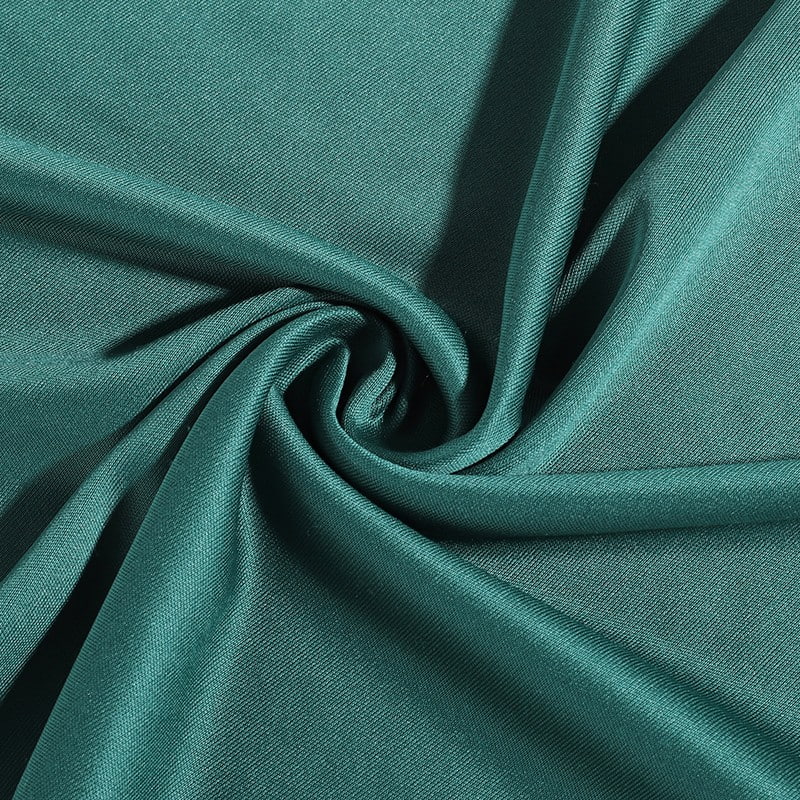
Engineering Excellence: Polyester Birdseye Mesh, Bird Eye Fabric, and Flat Fabric
As one of the most established fabric manufacturers on the southern bank of Hangzhou Bay, Cixi Derun Industrial Co., Ltd. has built its reputation on three core product families: polyester birdseye mesh, bird eye fabric, and flat fabric. Each of these fabric types is engineered to meet the exacting performance, comfort, and appearance requirements of modern apparel, home textile, and dust-free fabric applications. Rather than offering a single generic mesh construction, Derun continuously refines its knitting parameters, yarn selection, and finishing processes so that every roll leaving the 36,000-square-meter production base meets consistent, exportable quality standards.
Polyester Birdseye Mesh: Breathability Meets Durability
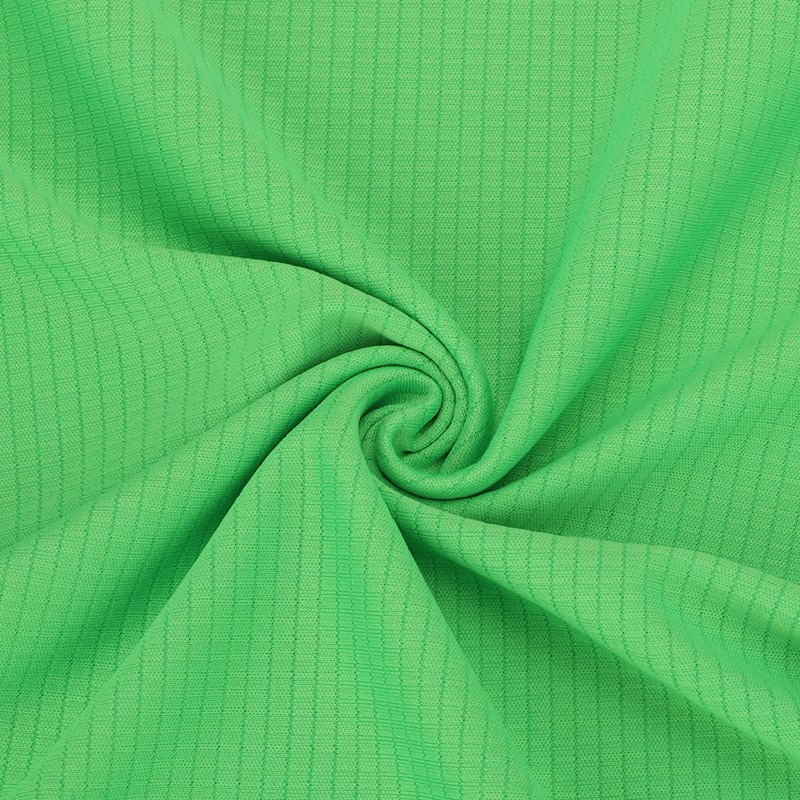
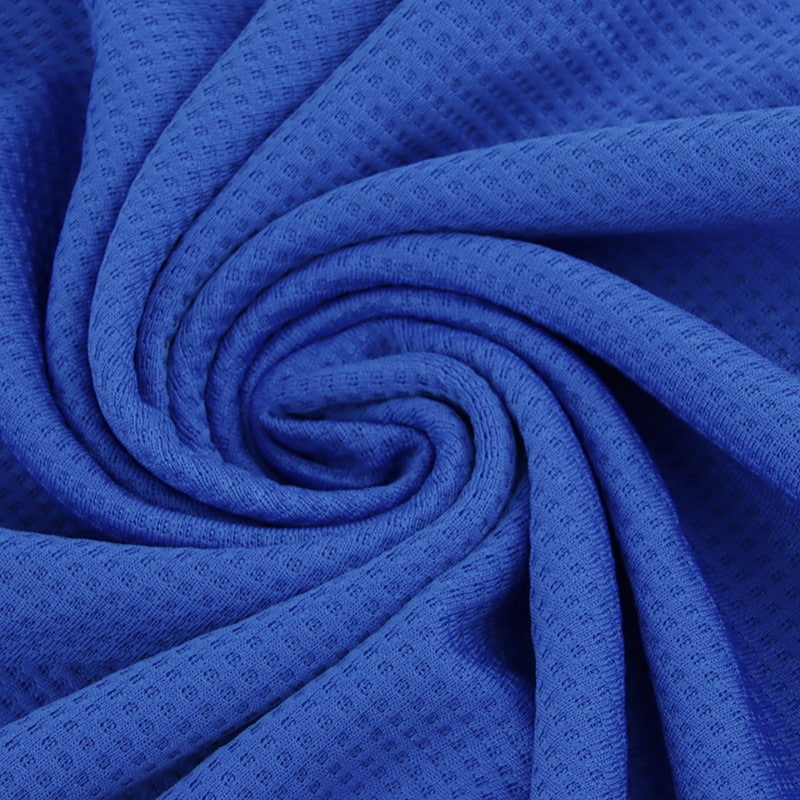
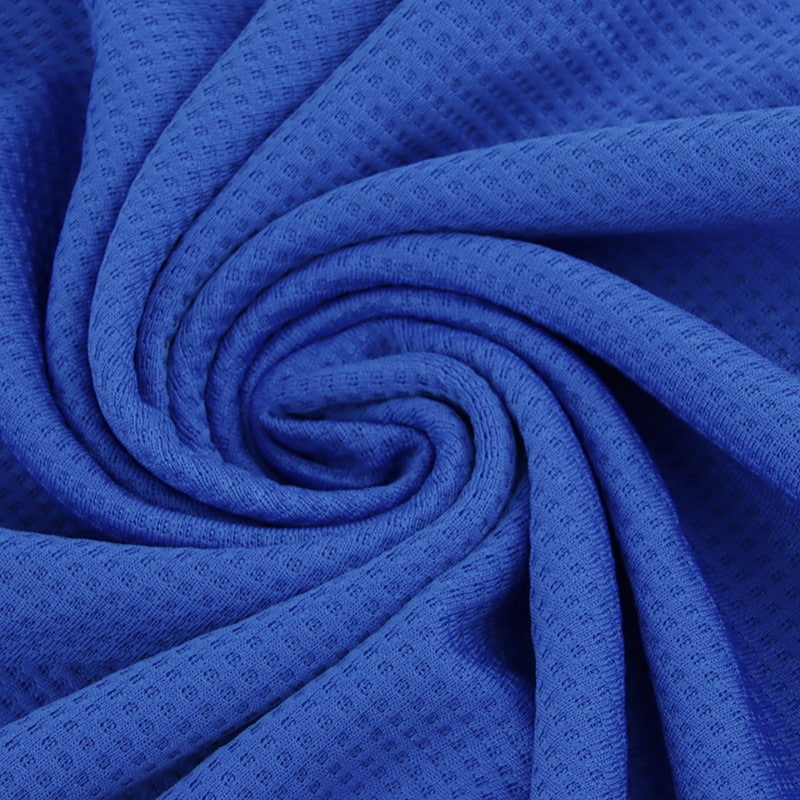
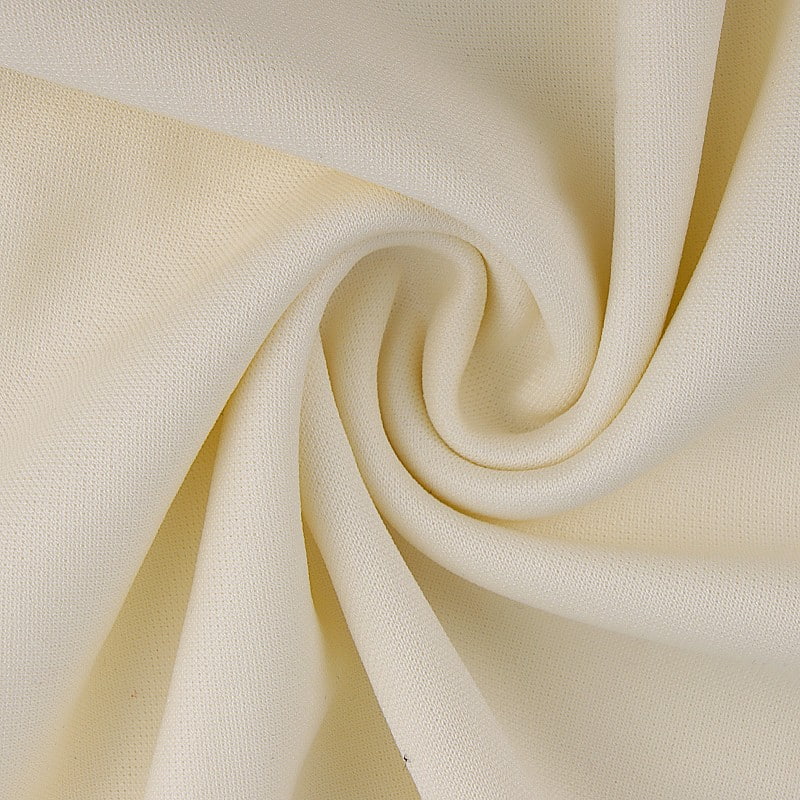
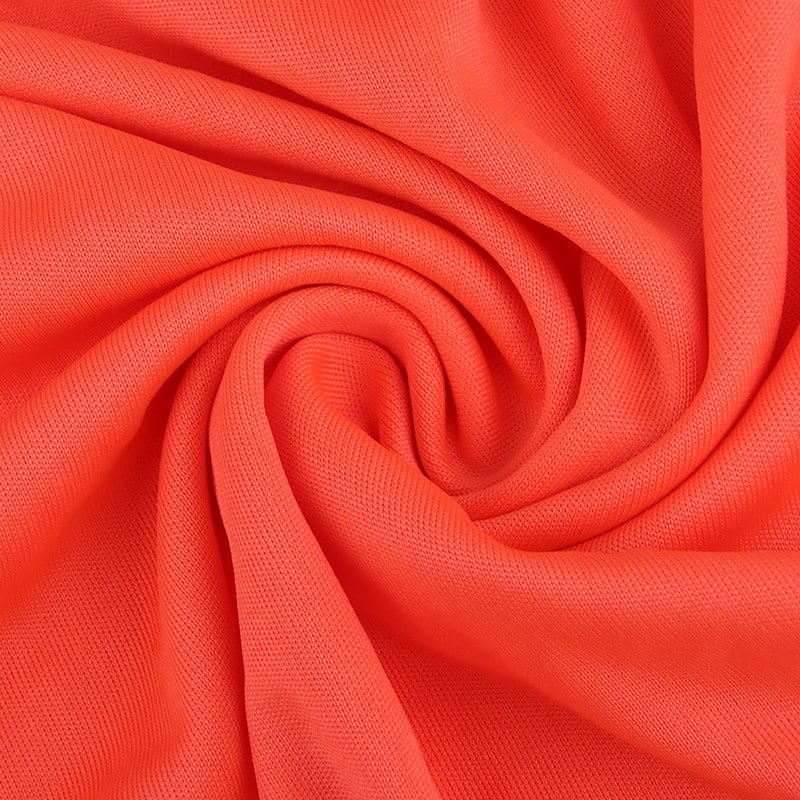
Polyester birdseye mesh is named for its small, evenly spaced perforations that resemble a bird's eye when viewed closely. This open-structure knit allows air to circulate freely through the fabric, making it a preferred choice for sportswear, school uniforms, athletic jerseys, and performance apparel where moisture management and ventilation are critical. Derun produces this fabric on high-precision circular knitting machines, which allow for tight control over hole size, fabric weight, and stretch recovery. The result is a mesh that holds its shape after repeated washing while remaining soft against the skin.
Bird Eye Fabric: Versatility Across Applications
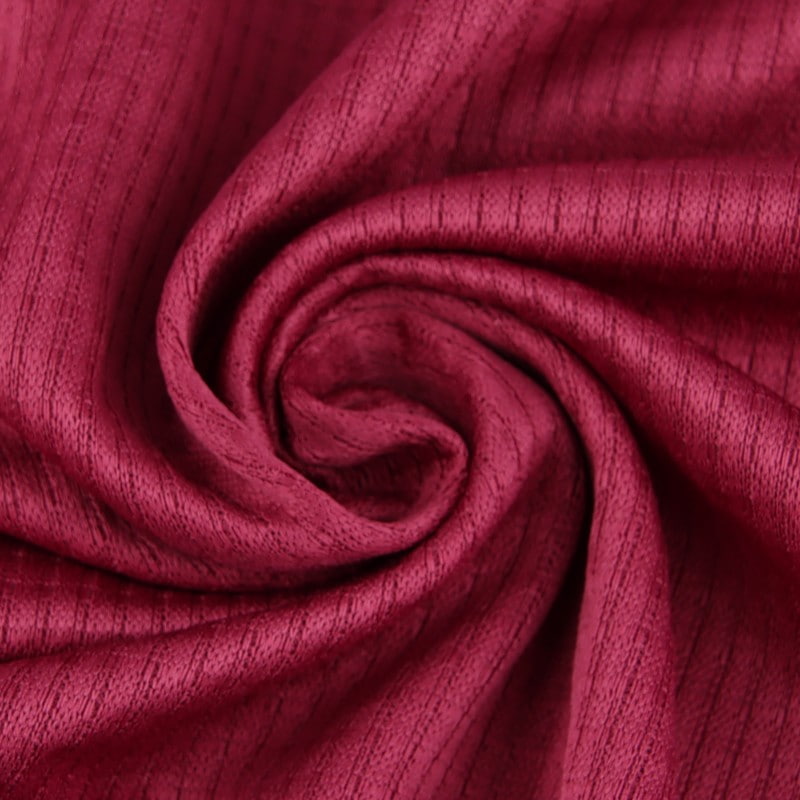
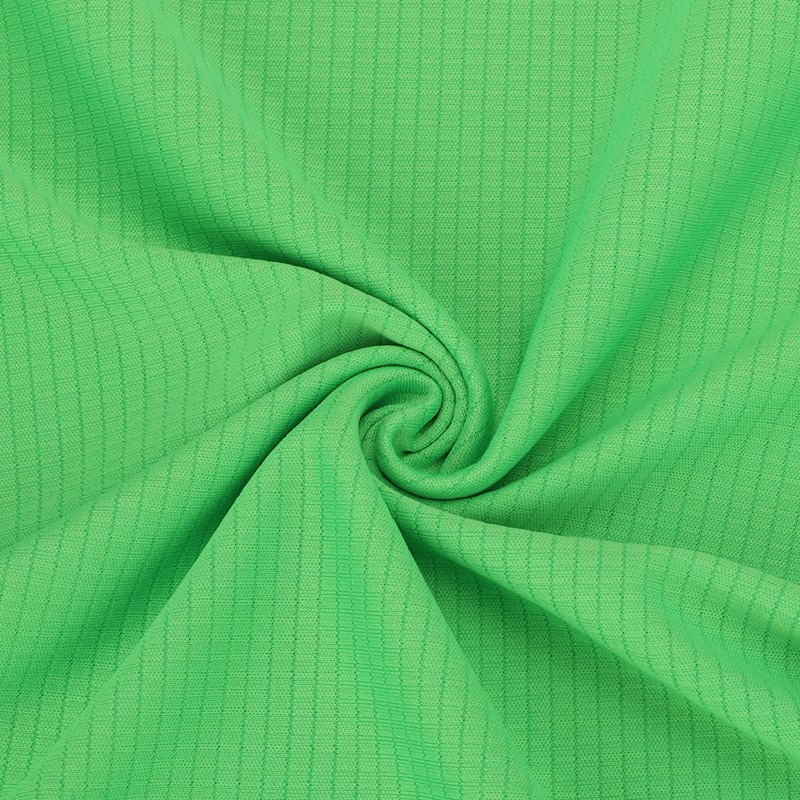
Closely related to polyester birdseye mesh, bird eye fabric shares the same distinctive open-weave texture but is often engineered with a slightly different yarn composition or finishing treatment depending on the end use. This flexibility allows Derun's technical team to adjust the fabric's hand-feel, opacity, and stretch properties to suit fashion garments as well as more functional applications such as linings and interlinings. Because the raw material can be sourced and processed in multiple ways, bird eye fabric gives brand partners a wide design vocabulary while still benefiting from the same rigorous quality control applied across all of Derun's product lines.
Common End-Uses
Both polyester birdseye mesh and bird eye fabric are widely adopted in categories including team sportswear, gym and fitness apparel, school and corporate uniforms, and technical linings, where breathability and durability are equally important.
Flat Fabric: A Smooth, Reliable Foundation
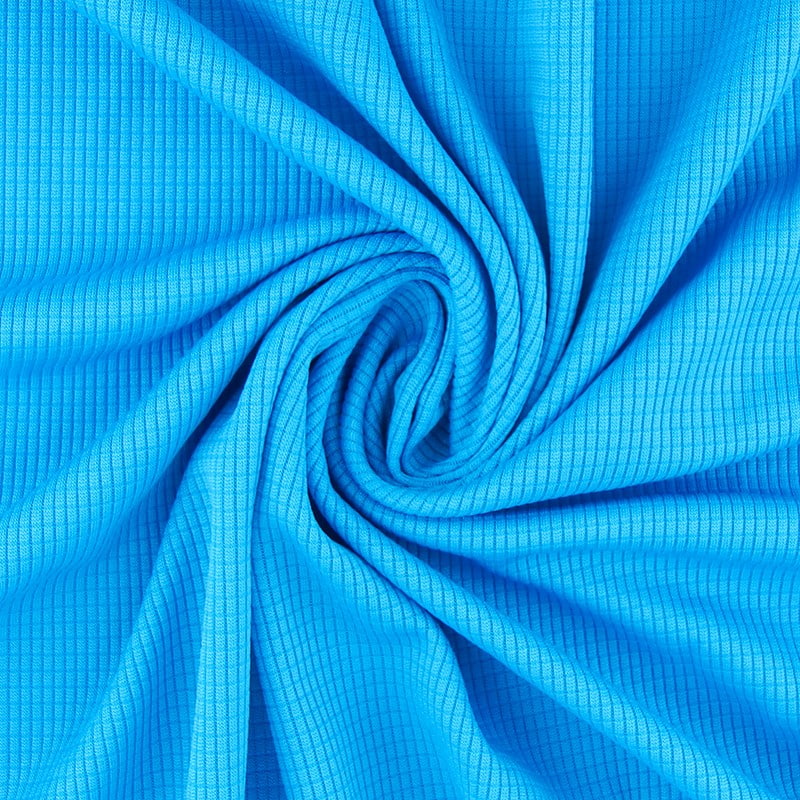
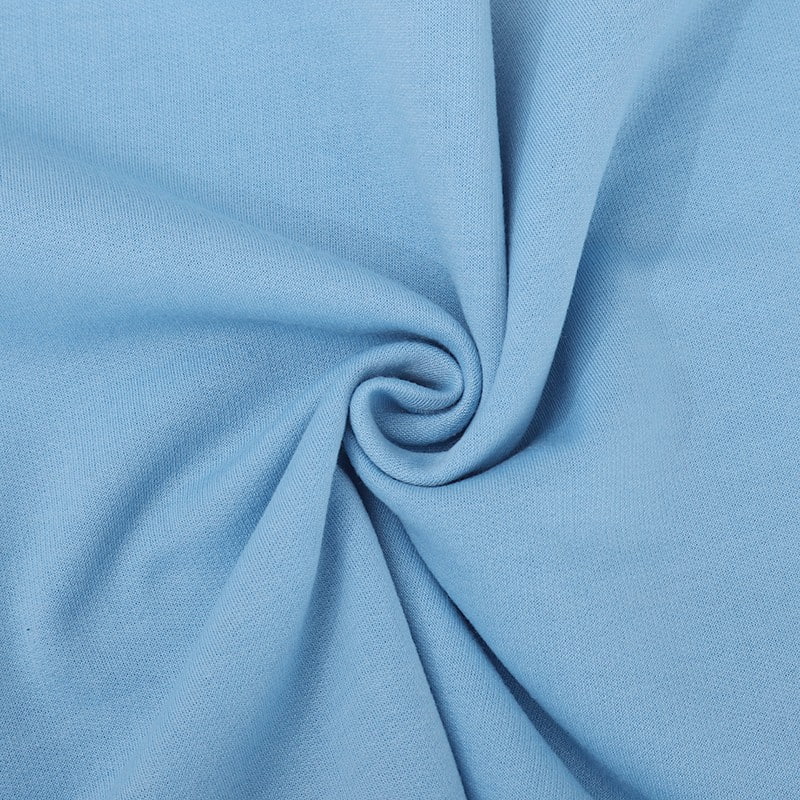
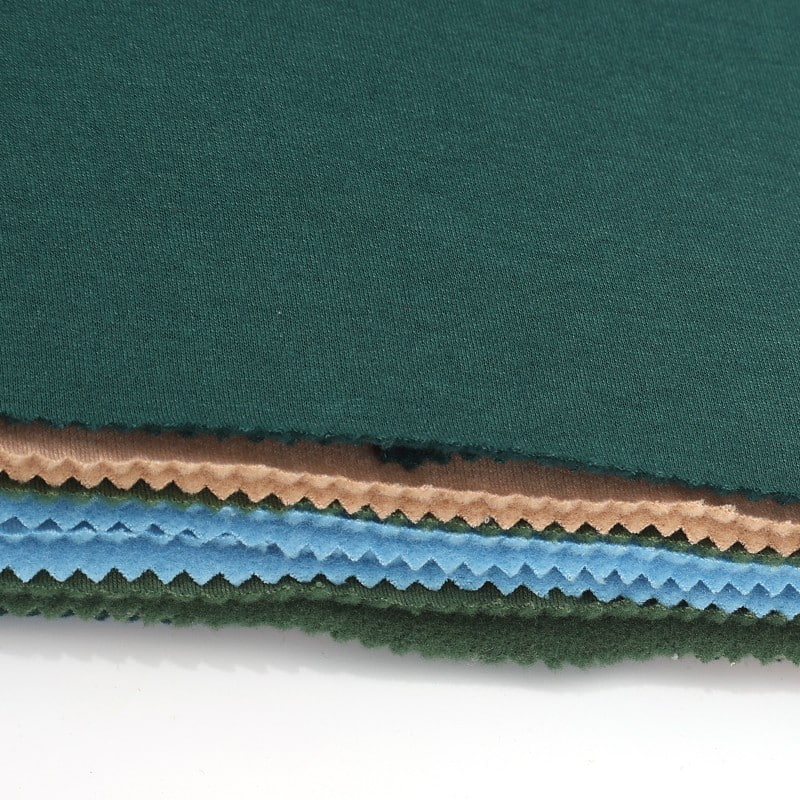
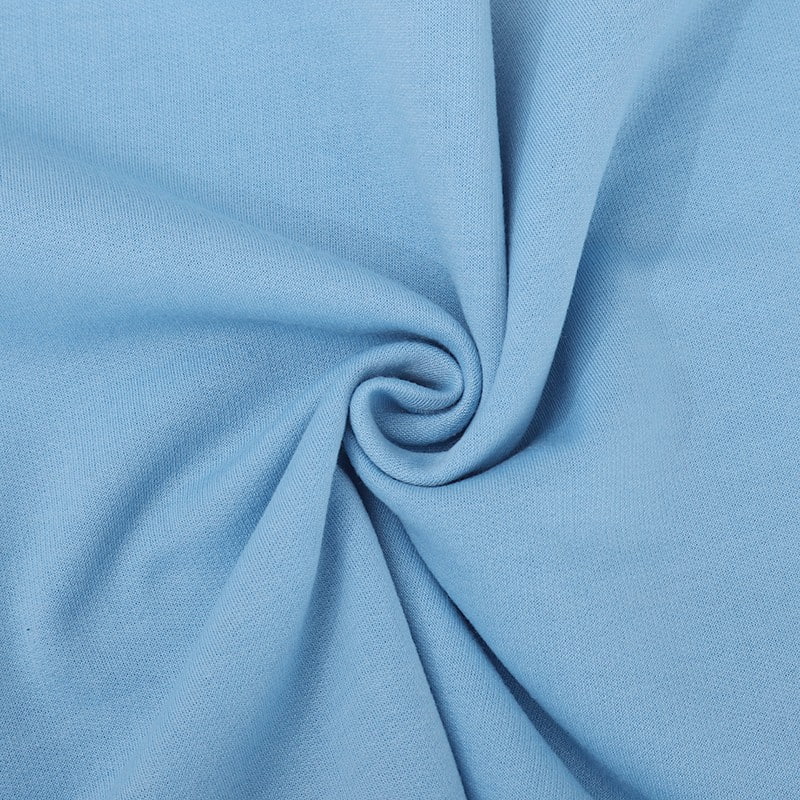
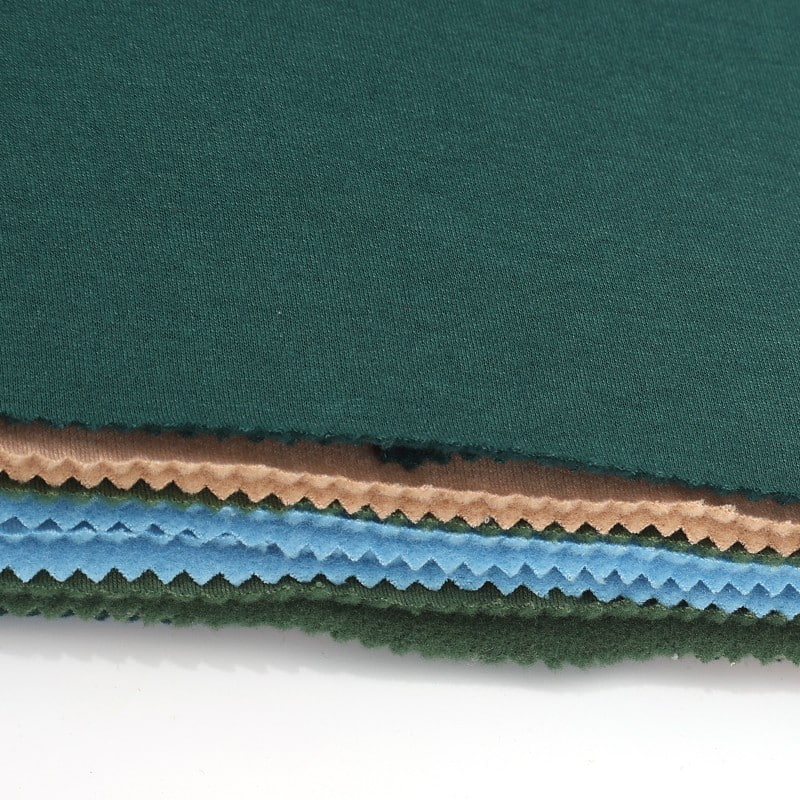
While mesh constructions serve ventilation-focused applications, Derun's flat fabric line addresses a different set of needs. With a smooth, even surface and consistent thickness, flat fabric is well suited to garment linings, base layers, and a range of home textile products where a clean, uniform finish matters. Flat fabric is also frequently specified for dust-free applications, where surface consistency directly affects particle control performance. By manufacturing flat fabric alongside its mesh products on the same production base, Derun is able to offer customers a single sourcing point for complementary fabric types used within the same finished product.
| Fabric Type |
Key Characteristic |
Typical Applications |
| Polyester Birdseye Mesh |
High breathability, moisture-wicking |
Sportswear, activewear, uniforms |
| Bird Eye Fabric |
Soft hand-feel, adaptable finishing |
Fashion garments, linings |
| Flat Fabric |
Smooth surface, consistent thickness |
Home textiles, dust-free fabrics, base layers |
A Modern Production Base Built for Scale and Precision
Behind every roll of fabric Derun ships lies a manufacturing operation designed for both scale and precision. Cixi Derun Industrial Co., Ltd. operates a modern, high-end fabric production base covering approximately 36,000 square meters in Cixi — a location that gives the company convenient access to raw material supply chains, skilled labor, and the export logistics of the Hangzhou Bay region. This facility is not simply large; it is purpose-built to support the tight tolerances and repeatable quality that premium fabric buyers require.
Equipment and Capacity
The production base is equipped with over 200 high-precision circular knitting machines and 18 high-speed elastic yarn machines of various specifications, allowing Derun to produce a wide range of fabric widths, weights, and stretch profiles without sacrificing consistency between batches. This equipment base supports an annual output of 15,000 tons of high-quality premium fabrics — a volume that positions Derun among the more substantial specialized fabric producers in the region, while still allowing for the flexibility needed to serve mid-sized and boutique apparel brands alongside larger accounts.
Phase II LTS Workshop: Planning for Future Demand
Recognizing that global demand for technical and premium fabrics would continue to grow, Derun invested in a second production phase well ahead of market pressure. The Phase II LTS Workshop was put into operation in early 2017, adding a projected annual production capacity of 20,000 tons on top of the company's existing output. This expansion reflects a deliberate, forward-looking capital investment strategy rather than reactive capacity building, and it has allowed Derun to accept larger and more complex orders without compromising lead times.
Why Capacity Planning Matters to Buyers
For international buyers, a supplier's production capacity directly affects order reliability, seasonal responsiveness, and pricing stability. Derun's combined capacity across its original workshop and the Phase II LTS Workshop gives partners confidence that large or repeat orders can be fulfilled on schedule.
Recognized for Quality and Sustainable Practice
Scale alone does not define a strong manufacturing partner — responsible operation matters just as much. Derun has been awarded titles including Model Enterprise for Green Production and Advanced Enterprise for Export Earnings, recognitions that reflect the company's attention to environmentally responsible manufacturing processes as well as its consistent performance in international trade. These honors reinforce Derun's position not only as a high-volume producer, but as a manufacturer that international brands can point to as a credible, compliant sourcing partner.
| Facility Metric |
Detail |
| Production Base Area |
Approx. 36,000 square meters |
| Circular Knitting Machines |
200+ high-precision units |
| Elastic Yarn Machines |
18 high-speed units, various specifications |
| Current Annual Output |
15,000 tons |
| Phase II Added Capacity |
20,000 tons (from early 2017) |
A Global Footprint Rooted in Local Strength
While its production base is firmly rooted in Cixi, Cixi Derun Industrial Co., Ltd. operates with a genuinely international outlook. Over the past two decades, the company has built the trade infrastructure, subsidiary network, and overseas presence needed to serve apparel and textile buyers across multiple continents, all while maintaining the manufacturing discipline that comes from controlling production close to home.
Subsidiaries Supporting Export Operations
Derun's international trade activity is supported by two dedicated subsidiaries: Cixi Dexin Import & Export Co., Ltd. and Ningbo Guifeng Knitwear Co., Ltd. These entities allow the company to manage export documentation, logistics, and customer-facing trade relationships with the specialization that cross-border commerce requires, while the core manufacturing operation remains focused on production quality and capacity planning. This structure — a strong domestic production base paired with specialized trade subsidiaries — is a common hallmark of mature Chinese textile exporters, and it has served Derun well as order volumes and destination countries have expanded.
Reaching More Than 20 Countries
Today, Derun's fabrics — including polyester birdseye mesh, bird eye fabric, and flat fabric — are exported to more than 20 countries, including the United States, the United Kingdom, Brazil, Mexico, Turkey, Japan, South Korea, Vietnam, and Indonesia. This geographic spread across North America, Europe, Latin America, and Asia demonstrates that Derun's fabrics are adaptable enough to meet the differing regulatory, climate, and style requirements of diverse markets, from performance sportswear in North America to lightweight mesh apparel suited to warmer climates in Southeast Asia.
Expansion into South Korea
In May 2016, Derun took a further step in its internationalization strategy by investing in and founding Derun Co., Ltd. in South Korea, a move aimed at strengthening the company's position in the regional apparel market. This overseas entity has allowed Derun to respond more directly to South Korean apparel brands and to better understand market trends close to one of Asia's most design-forward fashion industries.
A Leading Enterprise in Cixi's Textile Industry
Through the combination of consistent product quality, expanding production capacity, and a deliberate international trade strategy, Derun has established itself as a leading enterprise within Cixi's textile industry. By continuously seizing market trends and industry opportunities, the company has steadily elevated its product portfolio — a trajectory that positions Cixi Derun Industrial Co., Ltd. as a long-term, stable sourcing partner for apparel, home textile, and dust-free fabric buyers worldwide.
| Entity |
Role |
| Cixi Dexin Import & Export Co., Ltd. |
Export trade subsidiary |
| Ningbo Guifeng Knitwear Co., Ltd. |
Knitwear subsidiary |
| Derun Co., Ltd. (South Korea) |
Overseas market expansion, established May 2016 |
FAQ
What is the difference between polyester birdseye mesh and bird eye fabric?
Both fabrics share a similar perforated, open-weave structure, but they can differ in yarn composition and finishing treatment. Derun produces both to give customers flexibility in hand-feel, stretch, and appearance depending on the intended garment or application.
What industries use Derun's flat fabric?
Flat fabric is commonly used in home textiles, garment linings, and dust-free fabric applications where a smooth, consistent surface is required.
Where is Cixi Derun Industrial Co., Ltd. located?
The company's production base is located in Cixi, on the southern bank of Hangzhou Bay along the East China Sea, a region known for its strong textile manufacturing infrastructure.
How many countries does Derun export to?
Derun exports its fabrics to more than 20 countries, including the United States, the United Kingdom, Brazil, Mexico, Turkey, Japan, South Korea, Vietnam, and Indonesia.
Does Derun have overseas operations?
Yes. In May 2016, the company invested in and founded Derun Co., Ltd. in South Korea to further expand its presence in the apparel market.

 English
 عربى
عربى 中文
中文